
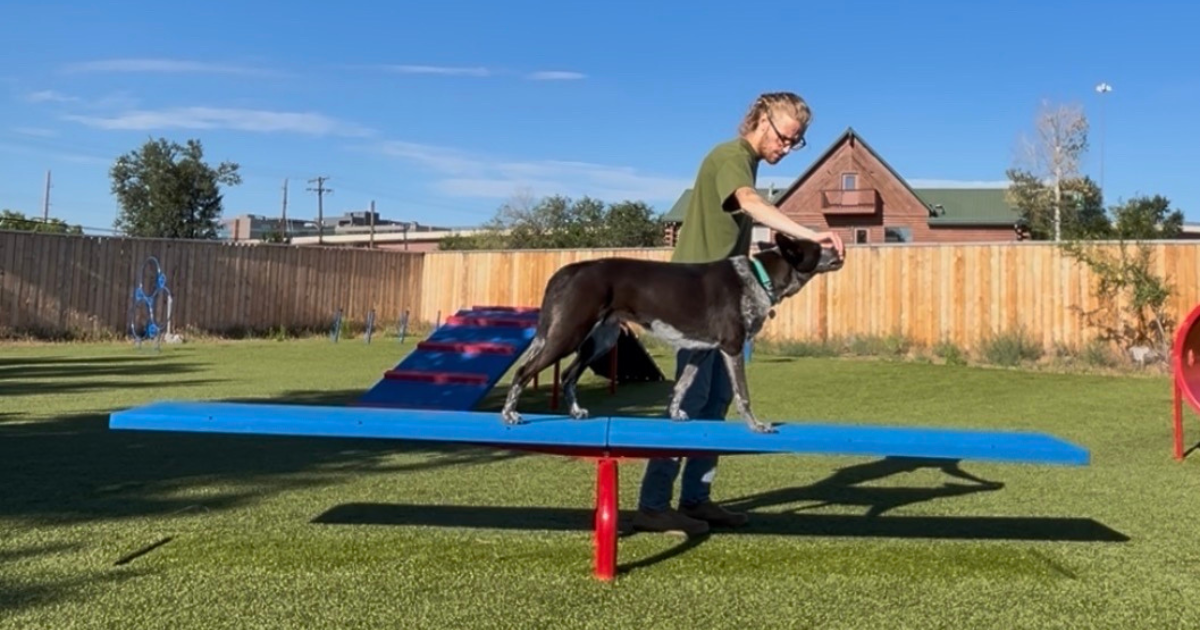
As the kids head back to school, they’re preparing to learn new subjects, build confidence, and develop skills they’ll use for years to come. Your dog can benefit from learning, too. When many people think of dog training, they picture teaching commands like sit, stay, and shake. While those cues are certainly useful, training is about so much more than checking a few tricks off a list. In fact, training is one of the best ways to improve your dog’s overall well-being. It provides mental stimulation, strengthens your bond, builds confidence, and helps your dog become a happier, more well-adjusted companion.
Training Is Exercise for the Brain
Most dogs don’t just need physical exercise—they need mental exercise, too. Learning new behaviors challenges your dog’s brain in ways that a walk around the block simply can’t. Solving problems, practicing new skills, and focusing on their handler requires concentration and self-control, leaving many dogs just as satisfied as a long game of fetch. Even a 10-minute training session can provide meaningful mental enrichment.
Confidence Starts With Success
Just like people, dogs gain confidence when they learn something new. Whether it’s mastering a new cue, navigating an agility obstacle, or simply learning how to remain calm in a new environment, every success helps your dog feel more comfortable and secure. This is especially valuable for shy, nervous, or young dogs that are still learning how to navigate the world around them.
Good Manners Make Life Easier
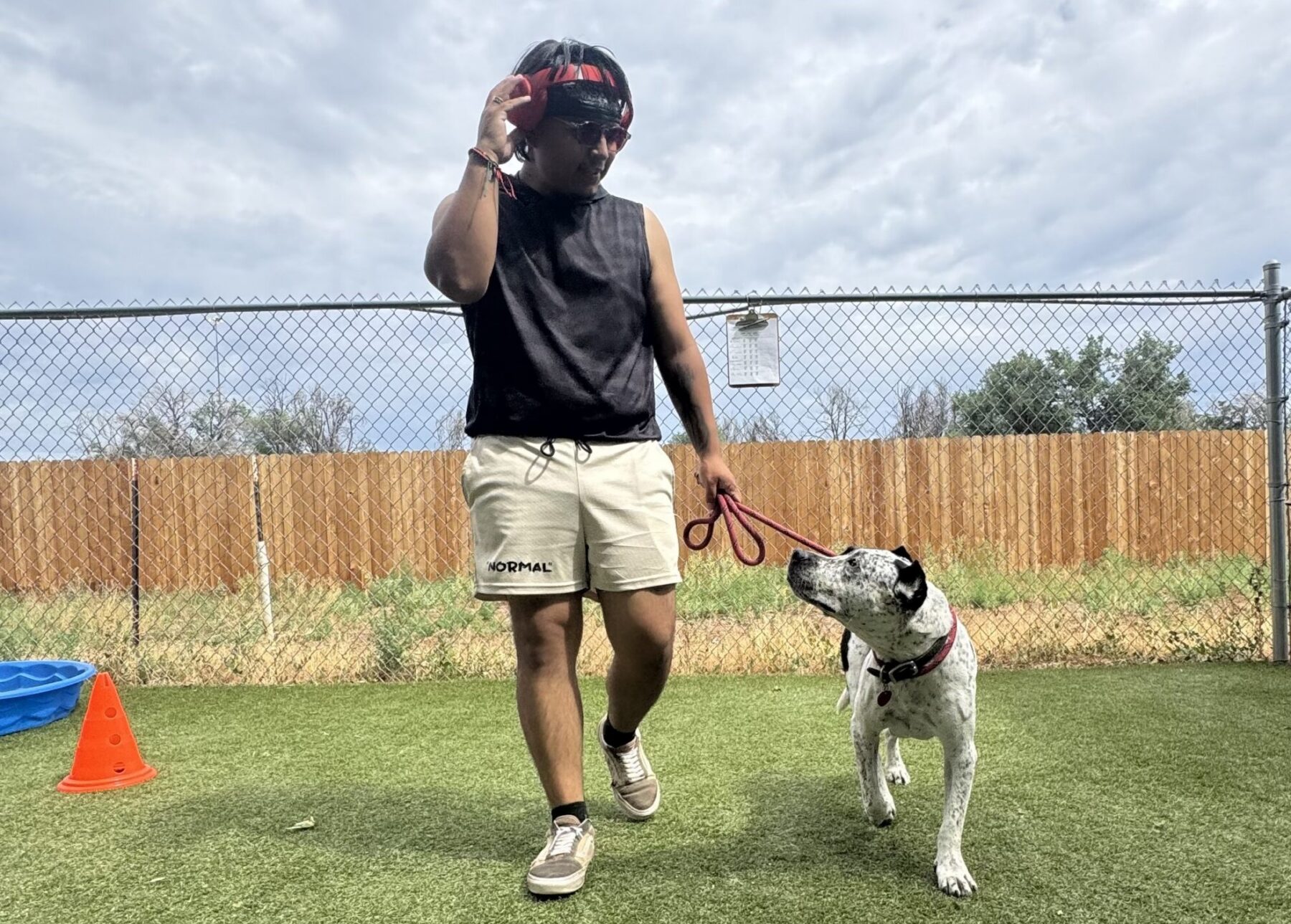
Training isn’t about creating a perfectly obedient dog—it’s about making everyday life more enjoyable for both of you. Make daily routines smoother and safer, whether you’re at home, on a walk, or visiting friends by practicing skills like:
Communication Goes Both Ways
Training isn’t just teaching your dog what you want—it also teaches you how your dog learns. As you work together, you’ll become better at reading your dog’s body language, understanding what motivates them, and communicating more clearly. That mutual understanding builds trust and strengthens the relationship you share.
Learning Never Has to End
One of the biggest misconceptions about dog training is that it’s only for puppies. The truth is, dogs continue learning throughout their lives. Whether your dog is six months old or ten years old, introducing new skills and experiences helps keep their mind active and engaged.
Some fun skills to teach include:
These activities aren’t just entertaining—they help build focus, confidence, and problem-solving skills.
Keep School in Session
As routines settle into the school year, consider setting aside a few minutes each day for your dog’s education. Short, positive training sessions are a great way to challenge their mind, reinforce good habits, and spend quality time together.
And if you’re looking for a little extra guidance, the trainers at Beds-N-Biscuits are here to help. Whether you’re starting with the basics, working through behavior challenges, or simply looking for fun new ways to engage your dog, our Training Academy offers opportunities for dogs of all ages to continue learning.
After all, learning isn’t just for kids—and a well-trained dog is a happier, more confident dog.
Homework for this week: Spend just 10 minutes each day teaching your dog something new. Whether it’s perfecting a “stay,” learning “touch,” or simply practicing polite leash manners, those few minutes can make a big difference. And if you’d like a little help with the lesson plan, the BNB Training Academy is always accepting new students! 🐾