
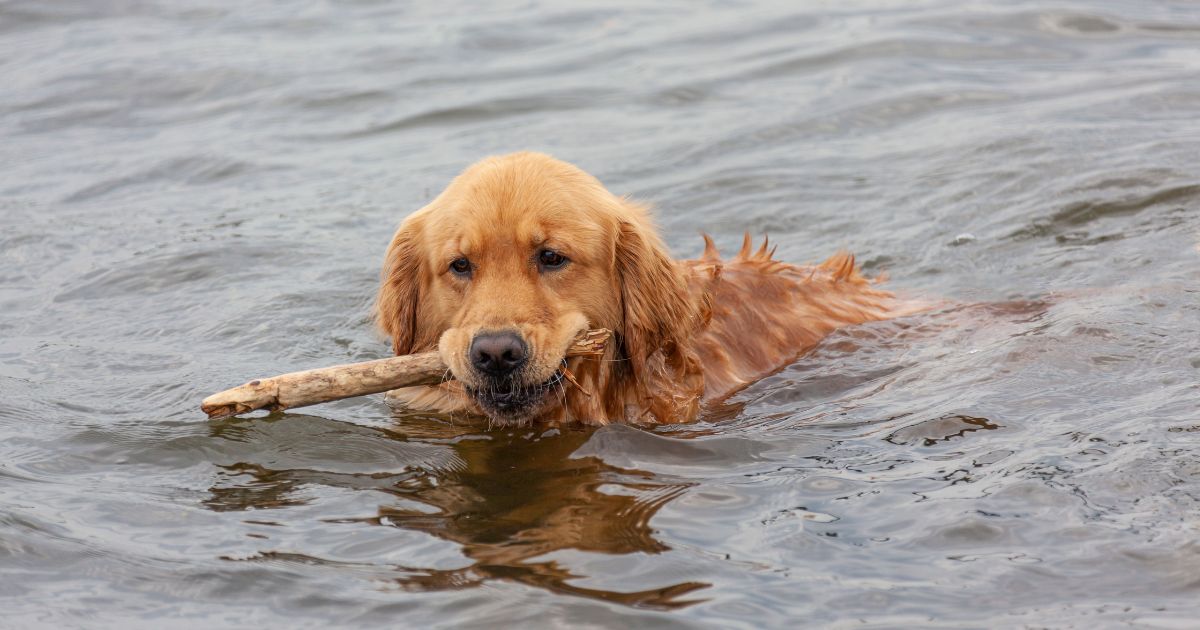
There’s nothing quite like watching a dog take a running, joyful leap into a lake on a hot summer day. Ears flopping, tail wagging, and water splashing everywhere are just what you need to make summer memories complete. But despite the common saying, not all dogs are natural swimmers. Before you head to the pool, lake, or beach this summer, it’s important to know how to keep your four-legged friend safe in and around the water.
Myth: All Dogs Can Swim
Many people assume every dog instinctively knows how to swim. While many dogs will naturally paddle when placed in water, that doesn’t necessarily mean they can swim well or safely. Some breeds are built for the water, while others struggle due to their body shape, size, or coat.
Natural swimmers often include:
Breeds that may need extra help:
A Dog Life Jacket Isn’t Just for Puppies
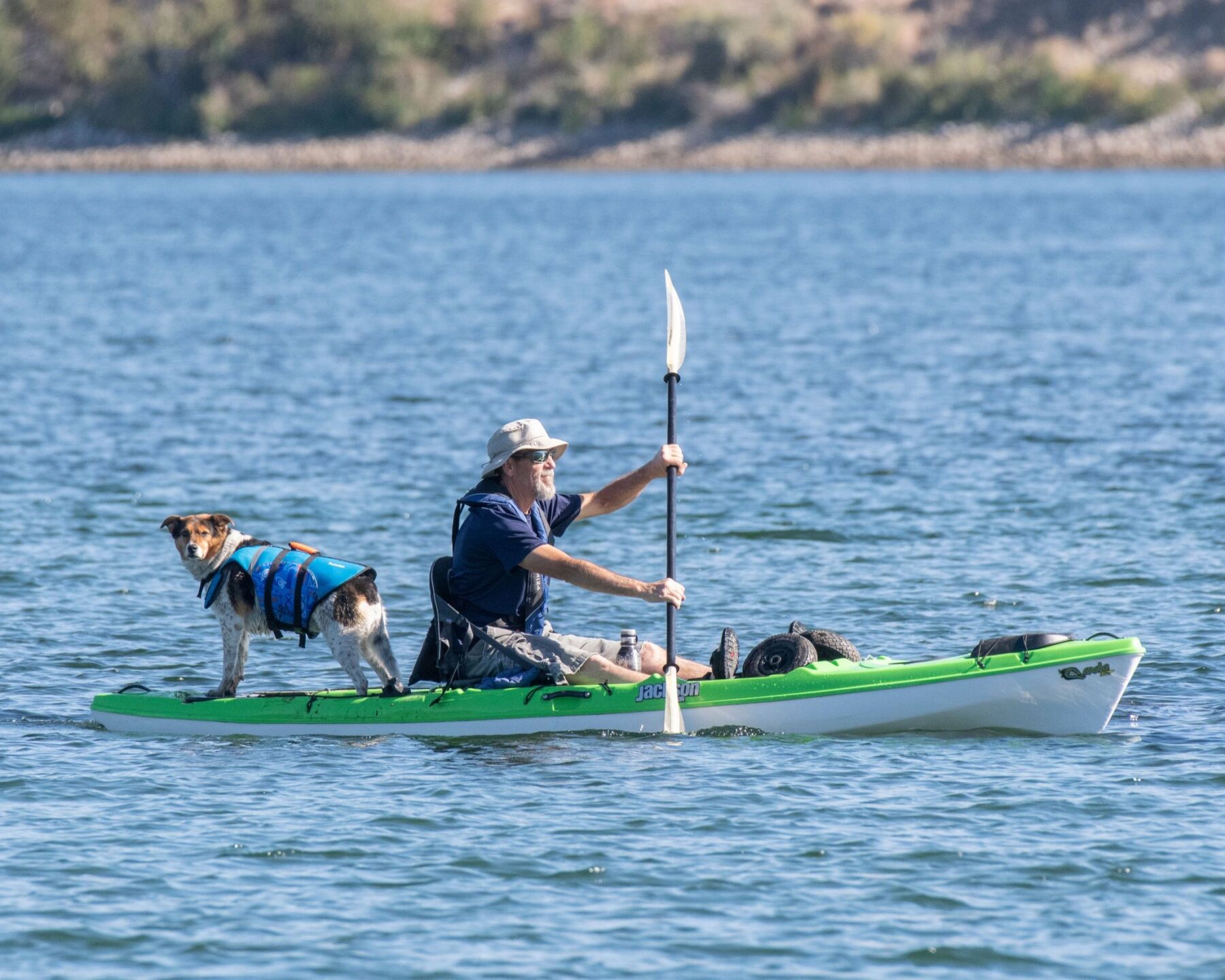
Even strong swimmers can benefit from wearing a properly fitted canine life jacket, especially when boating or paddleboarding, swimming in lakes or rivers, visiting unfamiliar beaches, recovering from injury, or wwimming for long periods. Look for a jacket with a sturdy handle on top so you can easily help your dog back onto a dock, paddleboard, or boat if needed.
And remember, not all water is equally safe. Before letting your dog jump in, check for strong currents, steep drop-offs, sharp rocks or broken glass, as well as fishing hooks or discarded fishing line. And if the water looks murky, has a strange odor, or appears bright green or blue-green, it’s best to keep your dog out. Blue-green algae (cyanobacteria), which can be toxic and even fatal to dogs.
Don’t Forget Fresh Drinking Water
Dogs often swallow water while swimming. Drinking too much lake, river, or pool water can upset their stomach or, in rare cases, lead to water intoxication. Remember to bring plenty of fresh water and encourage your dog to take regular drink breaks instead of lapping up the water they’re swimming in.
Rinse Off After Swimming
Whether your dog swims in a chlorinated pool or a natural body of water, give them a quick rinse afterward. This helps remove chlorine, salt, dirt and debris, algae, and bacteria. A nice, detailed grooming may be just what your pup needs after a vacation that has included a lot of swimming.
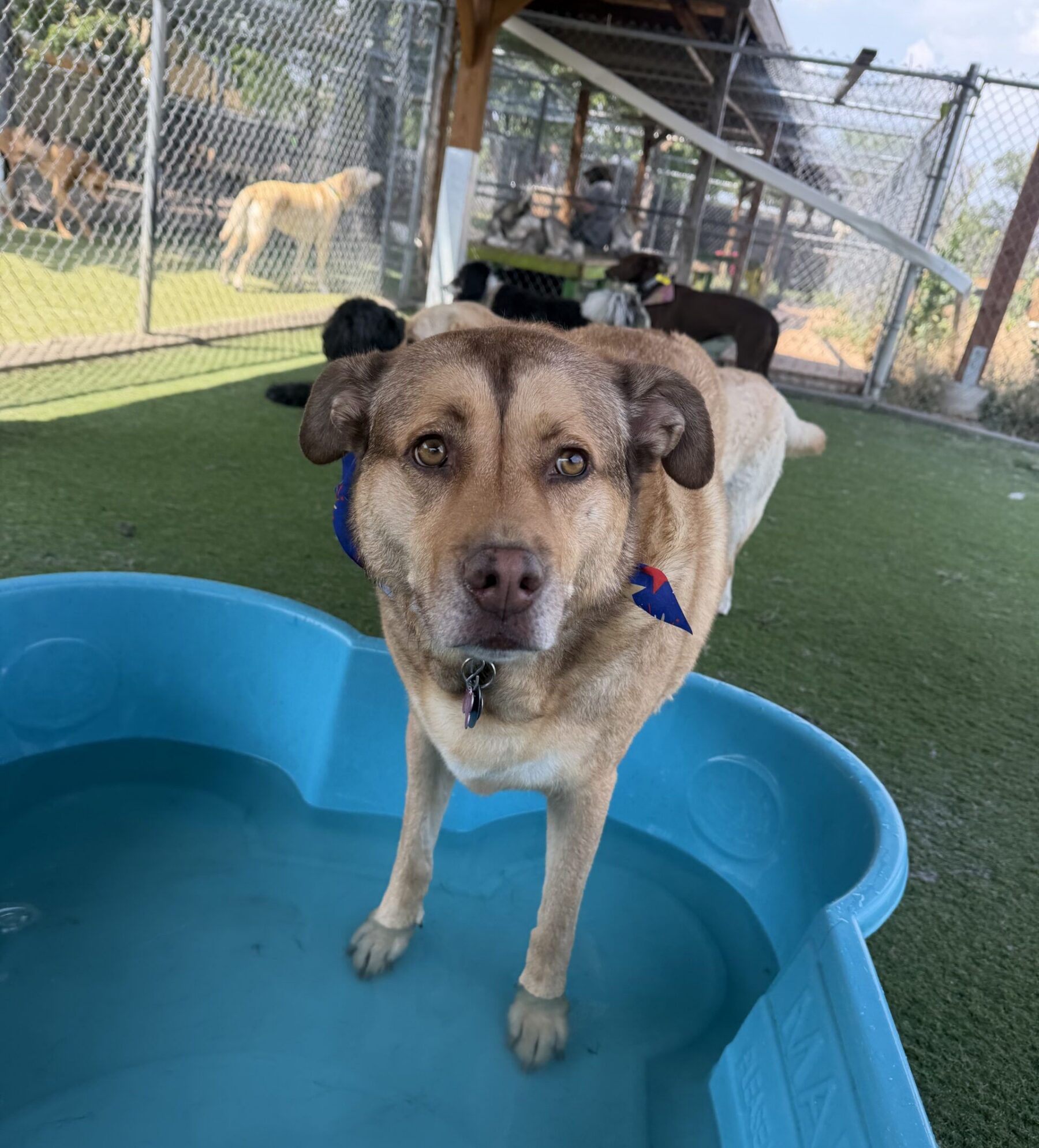
Whether your dog swims in a chlorinated pool or a natural body of water, give them a quick rinse afterward. This helps remove chlorine, salt, dirt and debris, algae, and bacteria. A nice, detailed grooming may be just what your pup needs after a vacation that has included a lot of swimming.
Be sure to dry their ears thoroughly, especially if your dog is prone to ear infections. Moisture trapped in the ears can create the perfect environment for bacteria and yeast.
Know When Your Dog Has Had Enough
Swimming is excellent exercise—but it’s also surprisingly tiring. If you notice your dog having difficulty staying afloat or being reluctant to re-enter the water, it’s time to call it a day. Other signs that your dog may need a break include heavy panting, slower swimming, or shivering. Take frequent rest breaks in the shade and avoid swimming during the hottest part of the day.
Make a Splash—Safely!
Swimming can be one of the best parts of summer for many dogs. It’s fun, low-impact exercise that builds confidence, burns energy, and helps keep pups cool on hot Colorado days.
With a little preparation and close supervision, you can help ensure every splash is a safe one. Whether your dog is a seasoned dock-diver or just dipping their paws in for the first time, a little extra caution goes a long way toward making summer memories you’ll both cherish.